Learn why reliable, dissolved oxygen measurement matters in aquaculture, what can affect DO readings and how to choose a dependable portable DO meter.
If you’re making decisions about feeding, aeration or fish welfare based on a dissolved oxygen meter reading, you need to know that reading is right.
A portable dissolved oxygen (DO) meter is one of those pieces of equipment you’ll find on just about every aquaculture site. It might be used for a quick spot check, checking a tank or pond, or simply verifying what a fixed DO sensor is telling you.
Why a reliable DO meter reading matters
Dissolved oxygen affects many things and conditions can change quickly.
That’s why, even with increasingly sophisticated aquaculture monitoring systems, a portable DO meter remains one of the simplest and most useful tools to have on site,
If the reading isn’t right, you’re making decisions on the wrong information.
What can affect your DO meter readings?
A reliable DO reading isn’t just about having a good meter. How the meter is used, maintained and cared for can also affect the result.
Regular checks and good maintenance practices help ensure you can rely on the reading when you need it. Depending on the technology being used, this can include checking sensor condition, keeping the meter clean and properly maintained, and following the manufacturer’s recommendations for calibration and sensor care. If you haven’t already seen, we have videos on our website to take you through basic steps of how to maintain and service your OxyGuard dissolved oxygen meter.
A portable DO meter is also an invaluable second reference when you want to verify the reading from a fixed DO sensor or monitoring system.
Why portable measurements still matter
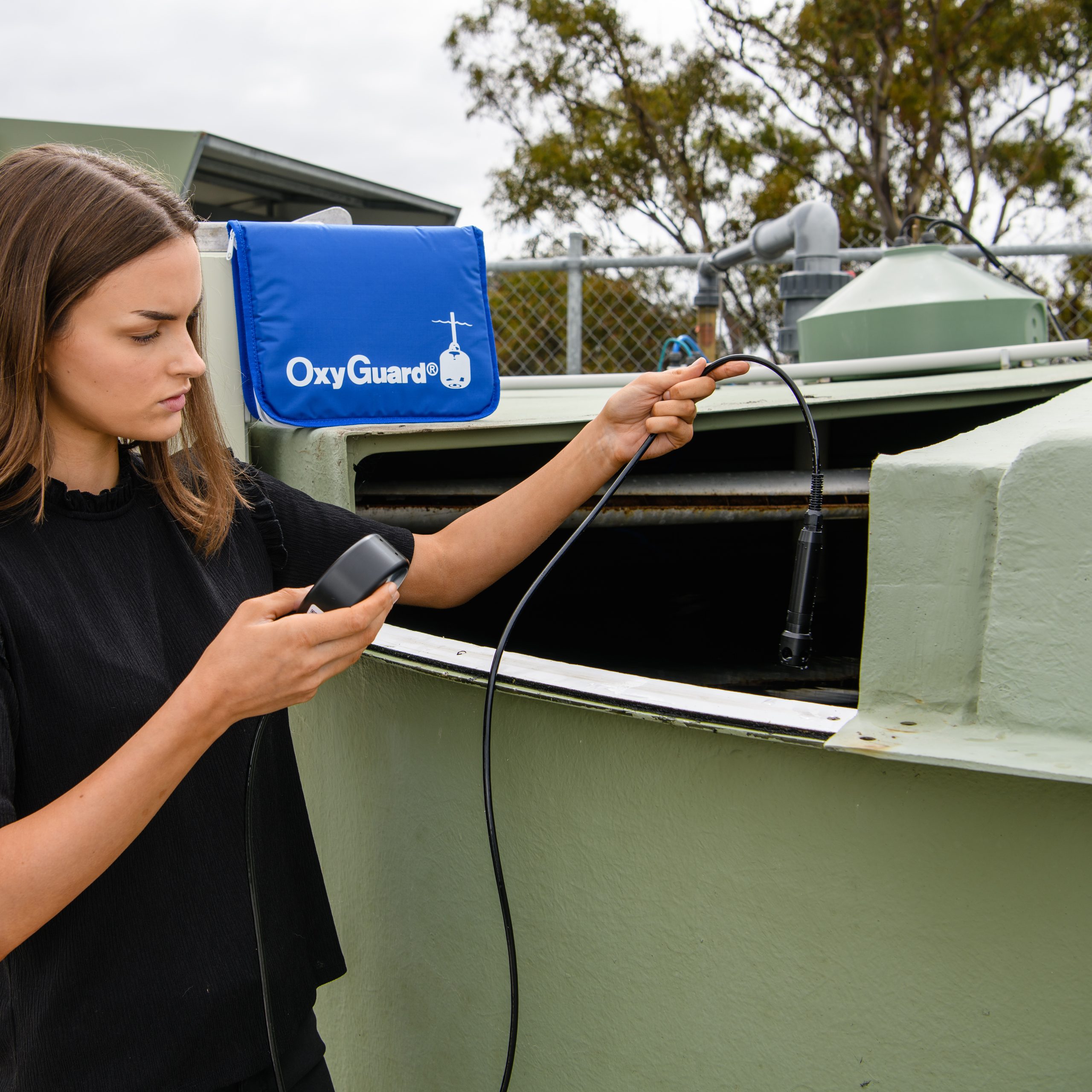
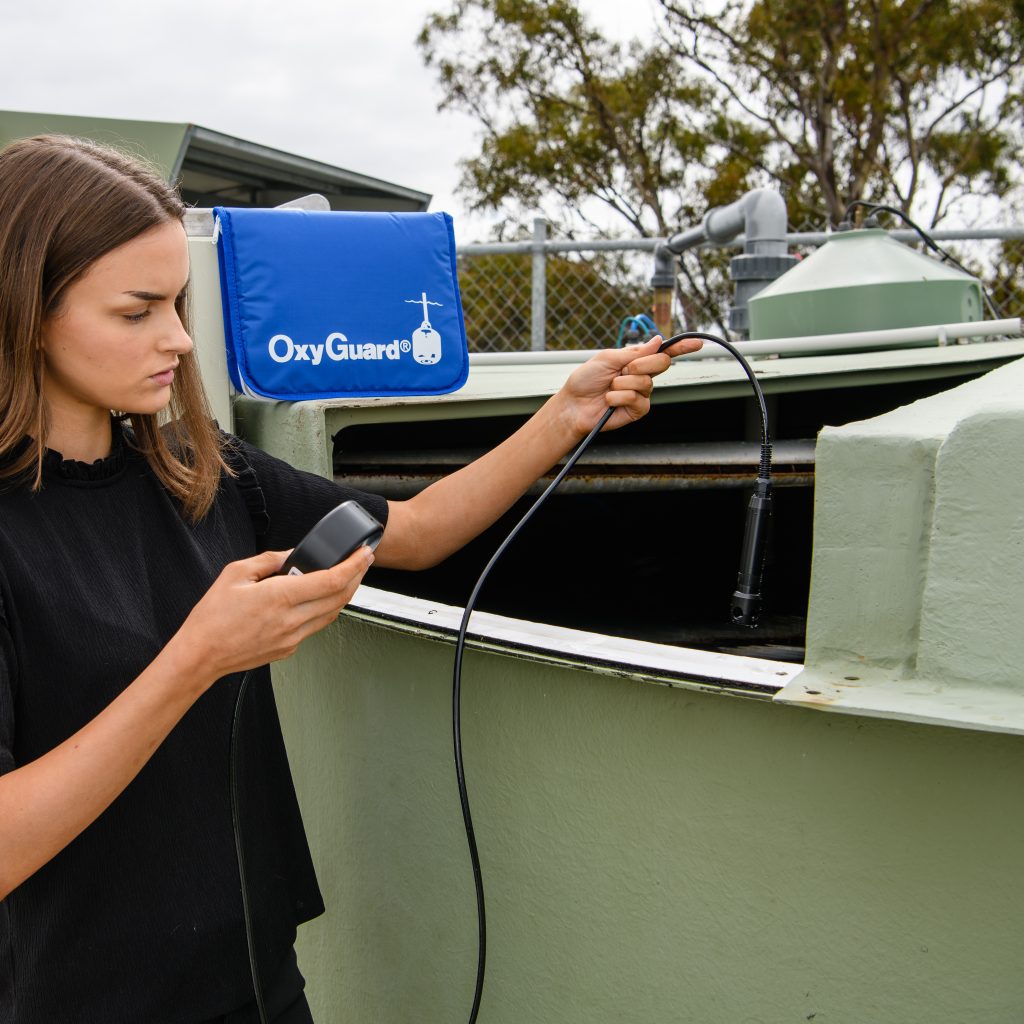
Even when continuous monitoring systems are in place, there are times when you need to take a measurement directly at the source. A portable dissolved oxygen (DO) meter allows you to move between tanks, ponds or other locations and take an immediate spot measurement of current water conditions. It can also provide a useful independent check against a fixed DO sensor when you want to confirm what your monitoring system is telling you.
For aquaculture use, portability alone isn’t enough. Equipment needs to cope with water, regular handling and the realities of day-to-day work around a farm or hatchery. That’s why a good portable DO meter should be straightforward to use, waterproof, robust enough for field conditions and ready to provide a reliable measurement when it’s needed.
Not all DO meters are built for aquaculture
Aquaculture isn’t a particularly gentle environment for portable equipment. A DO meter gets wet, carried between tanks and ponds, knocked around, left in the ute and used day after day. When you reach for it, you expect it to work.
The OxyGuard Polaris C DO meter is rugged, straight forward to use and built around OxyGuard’s proven dissolved oxygen technology. More importantly, it has been designed specifically for the day-to-day demands of aquaculture.
Key features include:
- Proven OxyGuard DO technology
- Designed specifically for aquaculture
- Rugged and field ready
- Simple day-to-day operation
- Ideal for spot checks and verification
We’ve supplied and supported OxyGuard equipment in Australia and New Zealand for decades, which means our involvement doesn’t end when a meter leaves us. We can assist with product selection and design of systems, technical support, maintenance and ongoing sensor care.
Explore the OxyGuard Polaris C
Or contact Technolab for advice on dissolved oxygen measurement and monitoring for your operation.